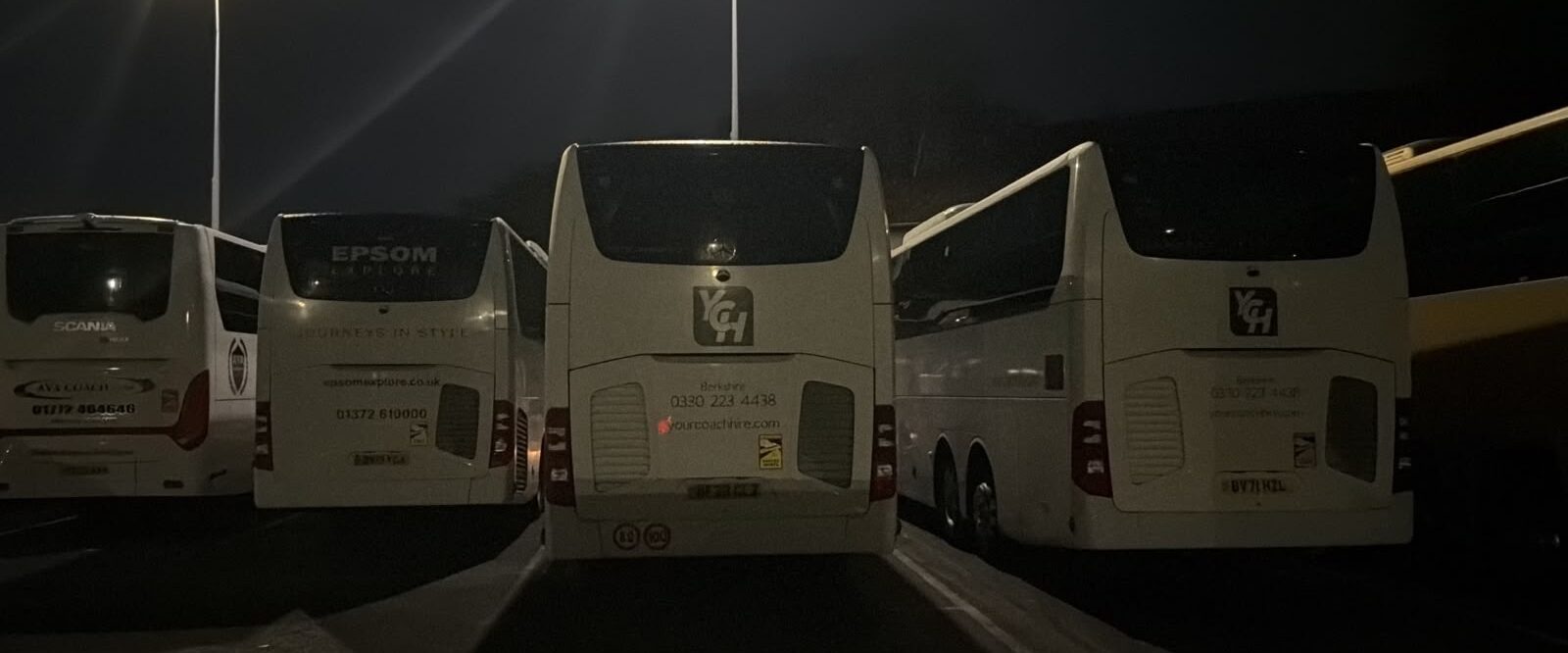
When temperatures drop and the forecast turns unpredictable, organising transport for a large group becomes noticeably more stressful. Whether you are a school trip coordinator responsible for 40 students or an event planner moving corporate delegates across the South East, winter group travel raises one immediate question: what happens if the weather turns?In our recent look at the professional drivers behind every great journey, we explored how experience and calm decision-making shape every trip. Nowhere is that preparation more visible or more valuable than between November and March. While individual motorists often find themselves battling unfamiliar conditions, heavy traffic, and last-minute cancellations, reputable coach operators rely on structured winter protocols to keep itineraries running safely and on time.
Here is what happens behind the scenes to keep your group moving when UK winter weather arrives.
Coach hire is statistically and operationally one of the safest forms of winter group travel because commercial fleets undergo mandatory daily safety inspections, operate with heavier road-holding stability, and are driven by CPC-qualified professionals trained in adverse-weather handling.
Unlike splitting a school party or corporate team across dozens of separate cars or relying on weather-sensitive rail networks travelling together in a single modern vehicle centralises safety and accountability. Passengers remain in a warm, climate-controlled cabin while a dedicated professional handles road conditions, visibility, and traffic delays. When the forecast turns cold, that peace of mind comes down to solid preparation on the ground. It starts before the coach even leaves the depot:
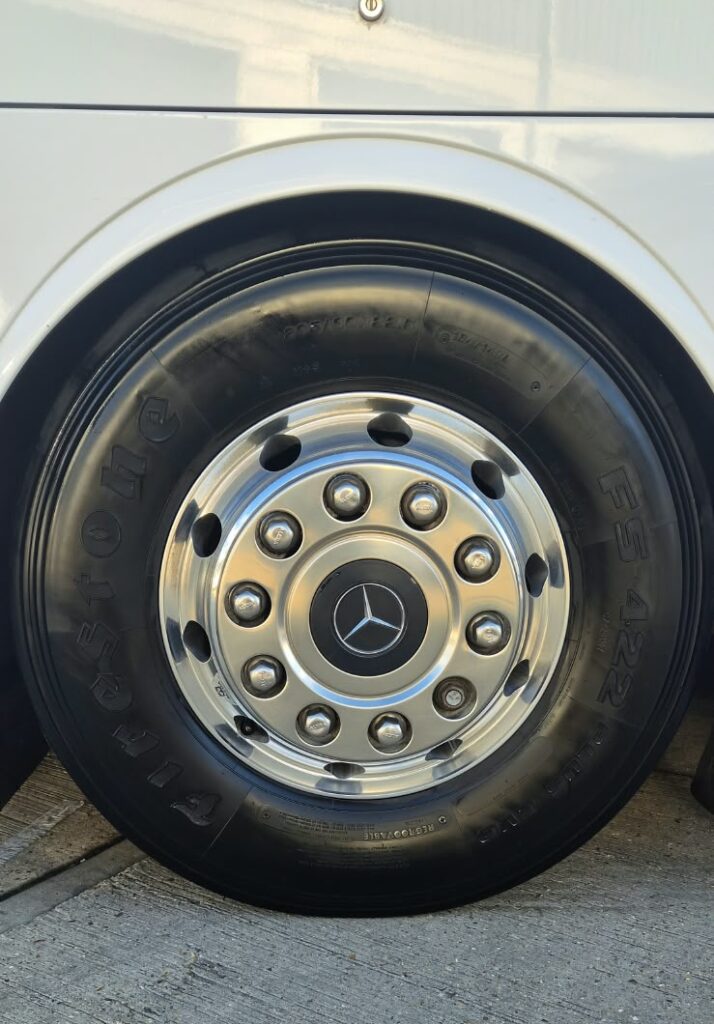
Reliability in cold weather begins in the depot long before passengers step aboard. As detailed in our 10-step pre-journey safety checks, every vehicle undergoes a strict inspection prior to departure, with heightened attention paid to winter-critical systems:
A fixed sat-nav route is rarely enough during a British winter. Heavy rain, localised flooding, black ice, or overnight motorway closures around major corridors like the M4, M3, M25, and A34 require proactive oversight.
Behind every departure, operations teams monitor live Met Office warnings, National Highways updates, and real-time traffic feeds. If an incident or weather alert develops overnight:
Technology and vehicle maintenance only go so far without skilled people behind the wheel. Professional coach drivers hold full Driver Certificate of Professional Competence (CPC) qualifications and accumulate tens of thousands of miles across all seasons.
In winter conditions, that experience translates into smoother, safer journeys:
If you are booking school coach hire or corporate event transport over the winter months, a few simple steps make the day run even more smoothly:
Yes, in the vast majority of winter weather conditions, scheduled coaches operate as normal. Major motorways and primary A-roads are prioritised by UK gritting teams, and modern coaches offer superior traction and weight distribution compared to standard passenger cars. Only during severe Met Office red warnings or official road closures would a journey be postponed in the interest of passenger safety.
For most UK winter journeys, adding a 15 to 30-minute buffer to your standard departure time is sufficient to account for heavier seasonal traffic and wet-weather speed reductions. Our team advises on exact timings when confirming your itinerary.
Yes. Every vehicle in our fleet features zoned climate control and auxiliary heating systems, ensuring the cabin is warm before passengers board and stays comfortable throughout the journey, even if stationary in traffic.
If extreme weather forces a venue closure or makes travel unsafe, our operations team works directly with schools and corporate organisers to coordinate revised timings or alternative travel dates as smoothly as possible.
Read our reviews on Trustpilot